
A major European initiative is reshaping how green hydrogen is used by building a cross-border “hydrogen valley” spanning the Baltic Sea region. The BalticSeaH2 project brings together dozens of partners to demonstrate how hydrogen can be integrated across industries—from energy and transport to entirely new applications like food production.
With more than 20 real-world use cases, the project highlights how hydrogen can move beyond theory into practical deployment across the full value chain. Its ambition is to strengthen regional energy independence while cutting emissions and accelerating Europe’s transition to a low-carbon economy.
One of the more unconventional applications comes from Finnish company Solar Foods, which is using hydrogen as a key input in producing sustainable protein. As part of the project, the company has secured €350,000 to expand output of its product, Solein®, at its first commercial facility.
Unlike traditional agriculture, Solein is produced through a fermentation process that relies on hydrogen and captured carbon dioxide. Using renewable electricity, hydrogen is generated via electrolysis and then fed to microbes that convert it into a nutrient-rich protein ingredient. The approach offers a radically different way to produce food with minimal land use and significantly lower emissions.
Solar Foods sees its role in the project as a way to demonstrate that hydrogen can serve as more than just an energy carrier. By embedding it into food production, the company is helping to open entirely new markets within the hydrogen economy.
The BalticSeaH2 initiative, which launched in mid-2023, runs for five years and includes around 40 organizations from nine countries. Backed by €25 million in EU funding as part of a €33 million total budget, the project is supported by the Clean Hydrogen Partnership under the RePowerEU program.
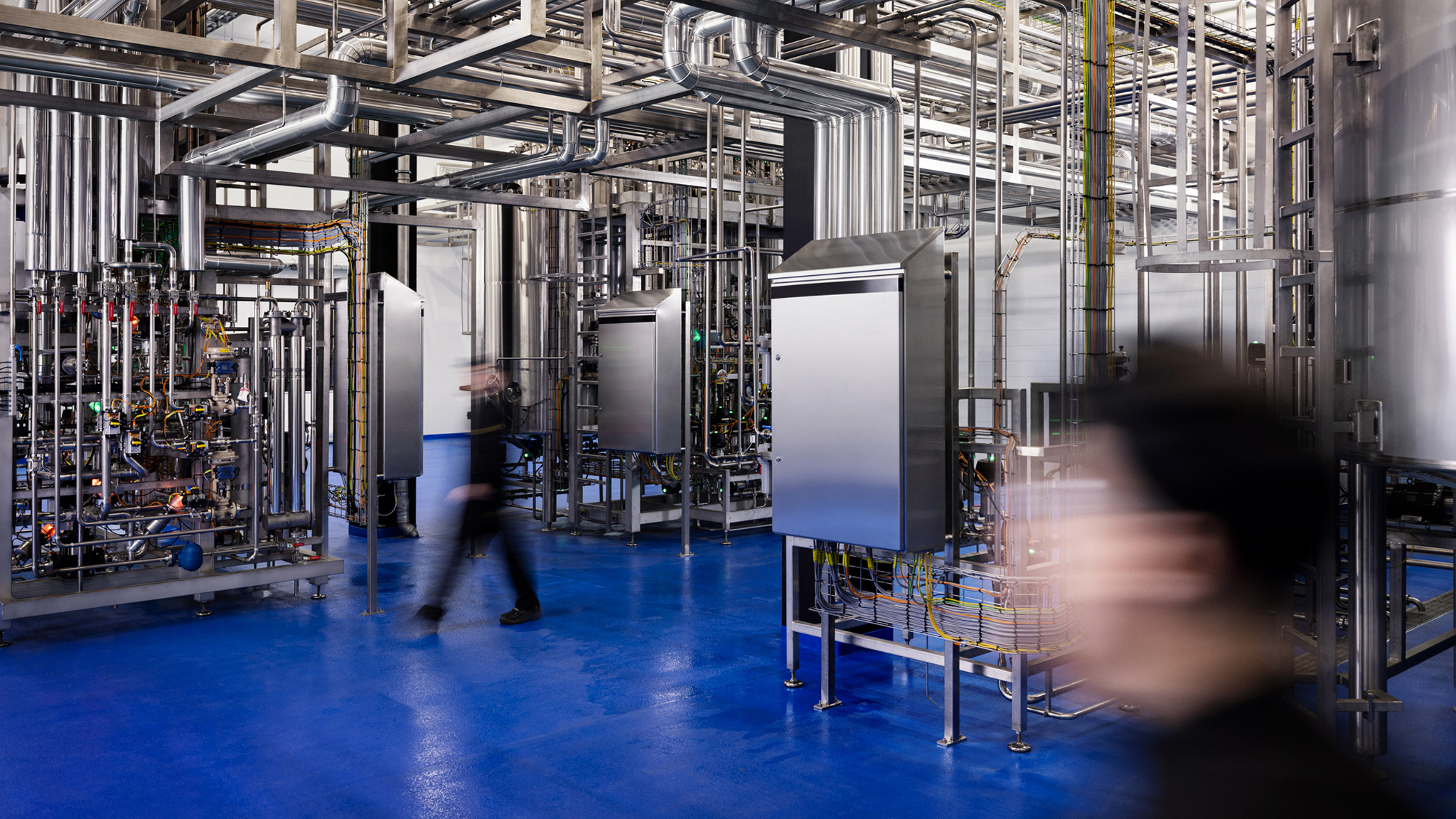
At Solar Foods’ current Factory 01, hydrogen is produced on-site using renewable power. The company is now preparing for a major scale-up with its planned Factory 02, which aims to increase annual production from 160 tonnes to 6,400 tonnes. External partners will support hydrogen supply at the new facility, enabling Solar Foods to focus on refining its fermentation technology and expanding globally.
By linking hydrogen production with sectors as diverse as food, industry, and transport, BalticSeaH2 is demonstrating how interconnected systems can accelerate the transition to a sustainable economy—turning green hydrogen into a foundation for entirely new value chains.
