
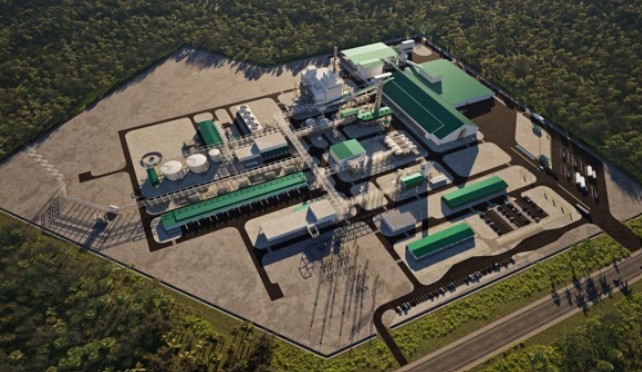
A major step forward for green hydrogen has been reached as ATOME PLC moves from concept to execution with its flagship project in Paraguay. The company has taken a final investment decision on a large-scale facility that will use renewable hydrogen to produce low-carbon fertilizer—highlighting how hydrogen is beginning to reshape heavy industry and global supply chains.
At the core of the project is green hydrogen produced via electrolysis powered entirely by renewable hydropower. This hydrogen will replace fossil-based inputs traditionally used in fertilizer production, enabling a fully decarbonized process. The plant, located in Villeta, will produce around 260,000 tonnes of calcium ammonium nitrate annually, positioning it as the first industrial-scale facility of its kind to reach this stage .
The significance goes far beyond a single project. Fertilizer production today is heavily dependent on natural gas, making it both carbon-intensive and vulnerable to geopolitical shocks. By shifting to green hydrogen, ATOME’s model breaks this dependency, creating a more stable and sustainable supply chain. Over its lifetime, the facility is expected to avoid millions of tonnes of emissions while reducing exposure to fossil fuel price volatility .
The project is backed by a substantial $665 million financing package, combining international development funding and private investment. This level of support demonstrates growing confidence that green hydrogen is no longer just a future concept—it is becoming commercially viable at scale. Importantly, the project stands on its own economics without relying on government subsidies, a milestone for the hydrogen sector.
Another key aspect is replicability. The Villeta plant is designed as a blueprint for future developments, particularly in regions with abundant renewable energy. With long-term offtake secured through a 10-year agreement and strong industrial partnerships in place, the project reduces many of the risks that have historically slowed hydrogen deployment.
Beyond emissions reductions, the impact is also industrial and geopolitical. By producing fertilizer locally in Latin America—one of the world’s largest import regions—the project strengthens regional resilience and food security. It also illustrates how green hydrogen can enable countries to move up the value chain, turning renewable resources into high-value industrial products.
Construction is expected to begin shortly, with operations targeted before the end of the decade. Once online, the facility will serve as one of the clearest examples yet of how green hydrogen can move from pilot projects to full-scale industrial reality.
In a sector often criticized for slow progress, this development signals a turning point: green hydrogen is no longer experimental—it is becoming foundational to the future of heavy industry.

